Picture this: the sun blazing high in the sky, and instead of just frying your eggs on the sidewalk, it’s powering your entire house. That’s the magic of solar smart living. It’s like the superhero of energy solutions, saving the planet while saving you money. By harnessing the power of the sun and integrating smart technology, people everywhere are finding innovative ways to live sustainably. Curious about how solar energy can revamp your daily life and the planet? Let’s immerse.
Understanding Solar Smart Living
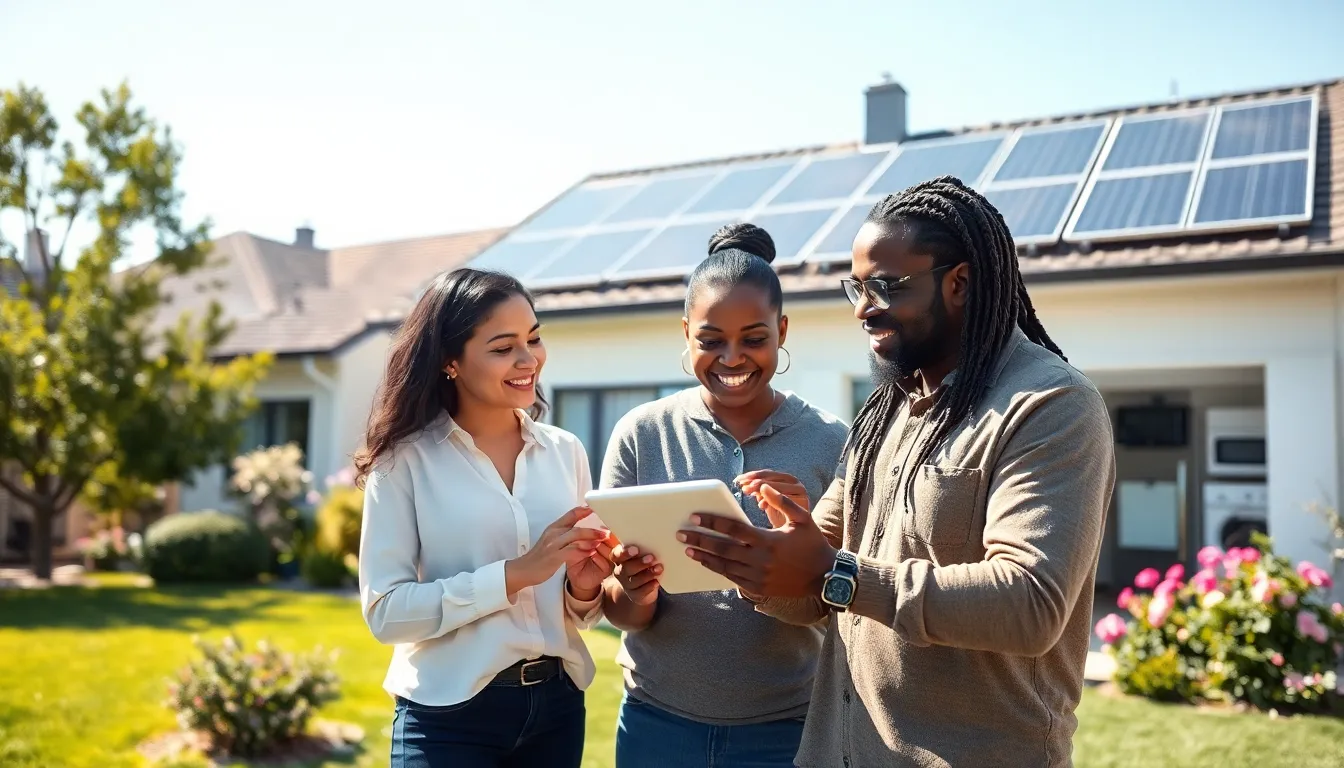
Solar smart living represents a transformative approach to energy consumption and sustainability. At its core, this lifestyle integrates solar energy solutions into everyday living, making it efficient, eco-friendly, and highly adaptable. In essence, it combines renewable energy resources with smart technology to optimize usage. By leveraging solar panels, smart home devices, and energy-efficient appliances, individuals can ensure they are not only meeting their electricity needs but doing so in a way that’s kind to our planet.
The acceptance of solar smart living is growing, as people become more aware of environmental issues and the need for practical solutions. Besides, embracing this lifestyle means fostering a sense of community responsibility by reducing carbon footprints and relying less on fossil fuels.
The Benefits of Solar Energy in Daily Life
Adopting solar energy yields numerous advantages that touch every aspect of life. For starters, it leads to significant financial savings. Homeowners who install solar panels can benefit from reduced electricity bills, as they generate free energy from the sun. Many regions also offer tax credits and rebates, making the initial investment more affordable.
Beyond financial advantages, using solar energy significantly diminishes an individual’s carbon footprint. Choosing solar means opting out of fossil fuels, contributing to cleaner air, and promoting a healthier environment. Also, solar energy provides energy independence. No longer will power outages or fluctuating utility rates dictate daily routines.
Integrating Smart Technology with Solar Solutions
The intersection of smart technology and solar energy is where the magic happens. Smart devices allow homeowners to monitor their energy consumption in real time. Imagine waking up to find out that your solar panels produced more energy than expected, all thanks to a simple app notification on your phone. Smart thermostats, lighting systems, and appliances can be programmed to optimize energy use based on solar production, making living sustainably as easy as pressing a button.
Many modern systems also provide predictive analytics, which means not only does your technology react to consumption, it anticipates when you need to draw more from the grid versus when you can rely entirely on solar. This level of integration enhances energy efficiency and often results in further savings.
Practical Applications of Solar Smart Living
Solar smart living finds its application in various areas around homes and communities. Off-grid solar solutions are expanding, perfect for those in remote settings. Beyond conventional rooftops, solar panels can be installed on awnings, carports, and even integrated into building materials like solar shingles.
Battery storage systems complement solar solutions by storing excess energy produced during the day for use at night. This ensures that households can effectively use available solar energy around the clock. Also, solar water heaters are becoming popular for households aiming to reduce reliance on fossil fuels while still enjoying hot showers and efficient cooking.
Challenges and Considerations in Solar Smart Living
While solar smart living offers a plethora of benefits, it’s not without its challenges. Initial costs can be a barrier, although many financing options are now available to ease the burden. Also, solar energy production is contingent on sunlight, which means seasonal fluctuations can affect energy availability. Regions with consistent sunshine will reap more benefits than those that experience frequent cloud cover.
Also, while technology integration can be seamless, it requires a level of digital literacy. Some individuals may feel overwhelmed by smart technology, preferring traditional methods that may not align with modern eco-friendly solutions. A shift in mindset is often necessary to embrace this lifestyle fully.
Future Trends in Solar Smart Living
The future of solar smart living is promising, with several trends poised to shape its evolution. One significant trend involves advancements in solar technology, such as improved photovoltaic cells that increase energy efficiency. Also, as battery storage technology evolves, households will see more robust options for storing solar energy, ensuring reliability and further independence from the grid.
Smart grid technologies are also emerging, which allow for better integration of renewable energy sources into the national electricity supply. As homes transition to become solar power plants, communities will thrive on locally produced energy, leading to even greater sustainability.
Finally, a shift towards comprehensive legislation supporting renewable energy could pave the way for more financial incentives, making solar smart living accessible for more people.