Creating a healthy home goes beyond aesthetics; it’s about fostering an environment that promotes well-being. From the air quality to the materials used in furnishings, every element plays a crucial role in shaping a space that nurtures both physical and mental health. In today’s fast-paced world, understanding how to cultivate a healthy living space has never been more important.
Small changes can lead to significant improvements in overall health. By focusing on natural materials, proper ventilation, and mindful organization, anyone can transform their home into a sanctuary. This article will explore practical tips and strategies for making a home healthier, ensuring that every room supports a vibrant lifestyle. Embrace the journey to a healthier home and discover how simple adjustments can lead to lasting benefits.
Understanding A Healthy Home
A healthy home environment significantly impacts physical and mental well-being. Key factors influence health, including air quality, materials in furnishings, and home organization.
Importance of a Healthy Home
A healthy home promotes well-being and enhances quality of life. Healthy homes reduce the risk of illness by minimizing exposure to harmful substances. Improved indoor air quality supports respiratory health and overall comfort. Mental health benefits arise from organized, clutter-free spaces, leading to reduced stress and increased productivity.
Key Features of a Healthy Home
- Air Quality: Effective ventilation systems facilitate fresh air circulation and reduce indoor pollutants, ensuring a breathable environment.
- Natural Materials: Using non-toxic, sustainable materials in furnishings and finishes limits exposure to harmful chemicals and enhances comfort.
- Maintenance: Regular home maintenance, such as checking for leaks or mold, protects the living space from deterioration and promotes a safe atmosphere.
- Lighting: Adequate natural light improves mood and productivity while energy-efficient lighting solutions reduce electricity consumption.
- Temperature Control: A comfortable temperature range is essential for health. Proper insulation and heating or cooling systems maintain optimal conditions.
- Organization: A well-organized home minimizes clutter, creating a serene environment that fosters mental clarity and ease of movement.
Creating A Healthy Living Environment
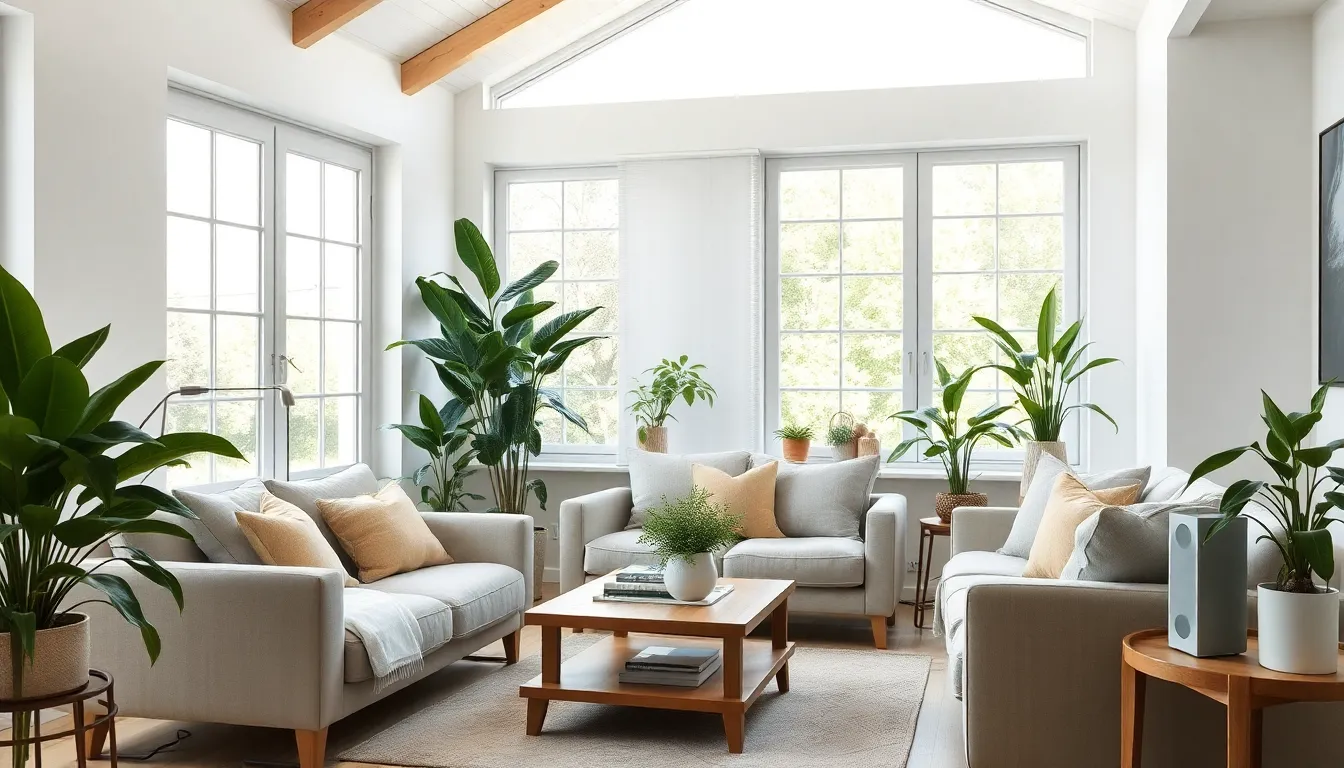
Establishing a healthy living environment is essential for enhancing overall well-being. Key components include air quality considerations and the choice of non-toxic materials.
Air Quality Considerations
Air quality directly influences health and comfort levels. Effective ventilation systems, such as exhaust fans and air purifiers, enhance indoor air quality. Regularly changing air filters in HVAC systems can significantly reduce allergens and pollutants. Monitoring humidity levels with dehumidifiers or humidifiers helps prevent mold and respiratory issues. Incorporating plants like spider plants or peace lilies can naturally filter harmful substances from the air. Using smoke and chemical-free products contributes positively to air purity.
Choosing Non-Toxic Materials
Selecting non-toxic materials plays a crucial role in creating a healthy home. Furniture made from solid wood or certified sustainable sources minimizes exposure to harmful chemicals. Non-toxic paints and finishes, labeled as low-VOC or zero-VOC, reduce indoor air pollution. Opting for natural fiber textiles, such as cotton or wool, avoids exposure to synthetic chemicals commonly found in synthetic fabrics. When renovating, using sustainable materials like bamboo or recycled products ensures a lower environmental impact. Choosing eco-friendly cleaning products further promotes a non-toxic environment, safeguarding the health of residents.
Sustainable Practices for A Healthy Home
Sustainable practices significantly enhance the health of a home. Incorporating energy efficiency and water conservation techniques contributes to a healthier living environment while promoting resource sustainability.
Incorporating Energy Efficiency
Incorporating energy-efficient systems reduces energy consumption and lowers utility costs. Implementing the following strategies promotes effective energy usage:
- Upgrade appliances: Choose ENERGY STAR-rated appliances that consume less energy.
- Install LED lighting: Replace incandescent bulbs with LED options for improved efficiency and longevity.
- Improve insulation: Enhance insulation in walls and attics to maintain comfortable temperatures and reduce heating and cooling demands.
- Utilize smart technology: Install smart thermostats and energy monitors to optimize energy use and track consumption patterns.
- Seal leaks: Identify and seal air leaks around windows, doors, and ducts to enhance efficiency.
These energy-efficient practices support a sustainable lifestyle and contribute to a healthy home atmosphere.
Water Conservation Techniques
Water conservation techniques minimize waste and promote a sustainable living environment. Implementing these methods effectively conserves water resources:
- Install low-flow fixtures: Upgrade faucets, showerheads, and toilets to low-flow versions that reduce water consumption.
- Practice mindful watering: Water gardens and lawns during early mornings or late afternoons to reduce evaporation.
- Collect rainwater: Use rain barrels to collect water for landscape irrigation and outdoor cleaning tasks.
- Identify leaks: Regularly check for leaks in plumbing fixtures to prevent water loss.
- Replace lawn with drought-resistant plants: Opt for xeriscaping to minimize irrigation needs and maintain a sustainable garden.
Adopting these water conservation techniques supports a healthy home and contributes to ecological sustainability.
Maintaining A Healthy Home
Maintaining a healthy home requires consistent efforts in cleanliness and regular upkeep. This commitment not only boosts physical well-being but also enhances mental clarity.
Regular Cleaning Routines
Regular cleaning routines promote a clearer, healthier living environment. Implement the following strategies for effective cleaning:
- Daily Tasks: Dust surfaces, vacuum high-traffic areas, and wipe kitchen counters to prevent the buildup of allergens and bacteria.
- Weekly Tasks: Mop floors, clean bathrooms, and change bedding to minimize dust mites and maintain hygiene.
- Monthly Tasks: Deep clean carpets, wash windows, and sanitize high-touch surfaces to eliminate germs and improve air quality.
- Seasonal Tasks: Declutter spaces, organize storage, and purge items that no longer serve a purpose to enhance mental clarity and organization.
Establishing a consistent cleaning schedule allows for better organization and a healthier home atmosphere.
Seasonal Maintenance Tips
Seasonal maintenance ensures the home remains safe and functional. Follow these seasonal tips:
- Spring: Inspect roofs for damage, clean gutters, and service HVAC systems to prepare for warmer months.
- Summer: Check for air leaks, repair screens, and maintain outdoor spaces to maximize air quality during the hot season.
- Fall: Winterize the home by checking insulation, cleaning chimneys, and sealing drafts to maintain comfort and energy efficiency.
- Winter: Monitor humidity levels, inspect heating systems, and ensure proper ventilation to prevent moisture buildup and health risks.
Applying these seasonal maintenance practices effectively sustains a healthy living environment and preserves the integrity of the home.
Creating a healthy home is essential for enhancing overall well-being and quality of life. By focusing on air quality sustainable materials and mindful organization individuals can transform their living spaces into sanctuaries. Regular maintenance and effective cleaning strategies play a crucial role in ensuring a safe and comfortable environment.
Incorporating energy-efficient and water-saving practices not only benefits personal health but also supports ecological sustainability. With these strategies in place a healthy home becomes a reality that promotes physical comfort and mental clarity. Embracing these changes leads to a vibrant lifestyle where health and happiness thrive.