In a world where environmental concerns are more pressing than ever, eco living has become a vital lifestyle choice for many. This approach emphasizes sustainable practices that not only benefit the planet but also enhance individual well-being. By making conscious decisions about consumption, energy use, and waste management, people can significantly reduce their ecological footprint.
Adopting eco-friendly habits isn’t just about saving the Earth; it’s about creating a healthier, more fulfilling life. From simple changes like reducing plastic use to embracing renewable energy sources, every small step counts. As awareness grows, more individuals are eager to explore the myriad of ways they can contribute to a greener future. Eco living is not just a trend; it’s a movement that empowers people to make impactful changes for themselves and generations to come.
What Is Eco Living?
Eco living refers to a lifestyle that emphasizes sustainability and minimal environmental impact. This approach involves adopting practices that promote conservation and reduce ecological footprints.
Definition and Principles
Eco living encompasses a set of principles aimed at harmonizing daily life with the environment. Core principles include:
- Sustainable Consumption: Purchasing products that are eco-friendly and durable.
- Waste Reduction: Minimizing waste through recycling, composting, and choosing reusable items.
- Energy Efficiency: Using energy-efficient appliances and embracing renewable energy sources.
- Water Conservation: Implementing strategies to reduce water usage in households and gardens.
- Responsible Transportation: Utilizing public transportation, biking, or walking to decrease carbon emissions.
These principles guide individuals toward making mindful choices that balance personal needs with environmental stewardship.
Importance of Eco Living
Eco living plays a crucial role in addressing urgent environmental issues. Its importance includes:
- Mitigating Climate Change: Reducing carbon footprints helps lessen the effects of global warming.
- Preserving Resources: Sustainable practices ensure the availability of natural resources for future generations.
- Improving Health: Eco-friendly habits reduce exposure to harmful chemicals and promote overall well-being.
- Enhancing Community: Eco living fosters a sense of community as individuals collaborate on local sustainability initiatives.
Engaging in eco living not only benefits the planet but also contributes to a healthier lifestyle and stronger communities.
Benefits of Eco Living
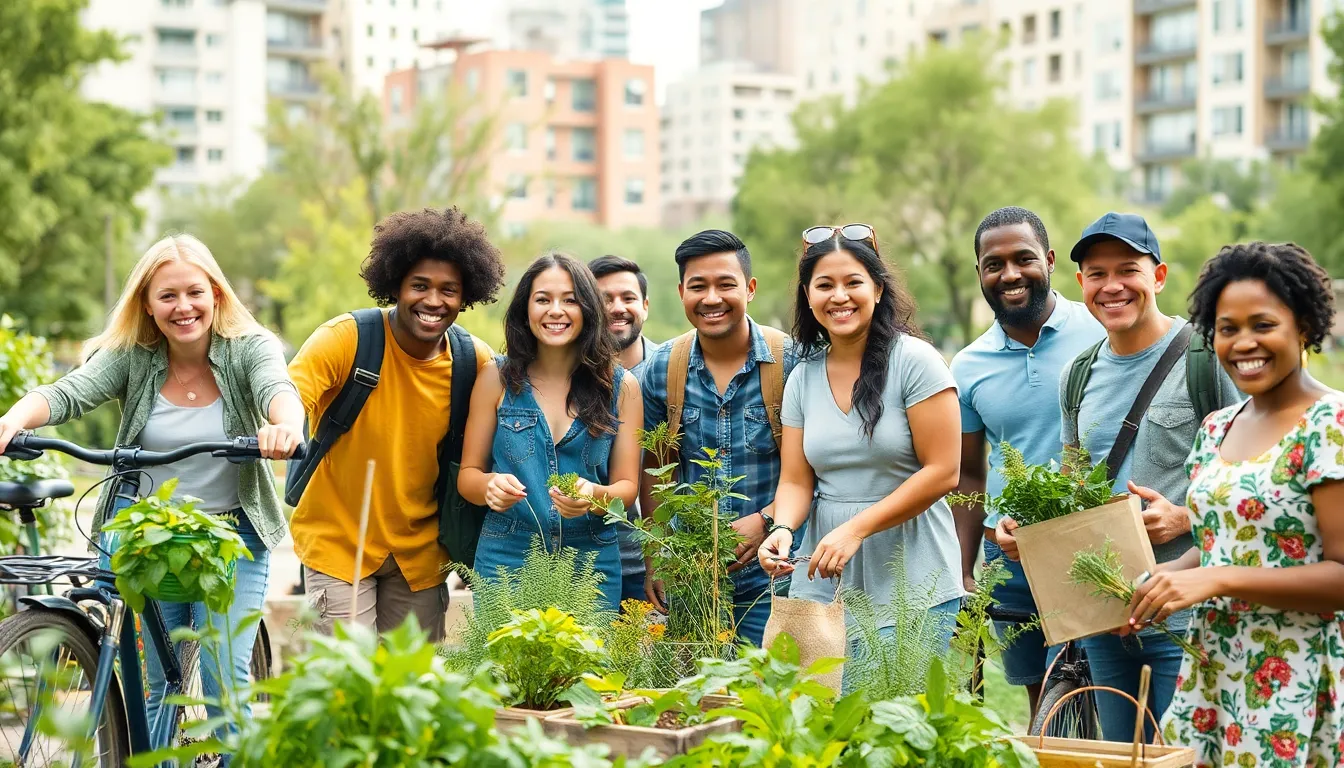
Eco living contributes significantly to both environmental health and personal well-being. By adopting sustainable practices, individuals experience numerous advantages that extend beyond their immediate surroundings.
Environmental Benefits
- Reduced Carbon Footprint: Eco living practices lower greenhouse gas emissions, combating climate change. Individuals reducing personal energy consumption contribute to a decrease in overall carbon output, promoting cleaner air.
- Conservation of Resources: Sustainable consumption leads to efficient use of resources, such as water and energy. Responsible choices in transportation, materials, and diet help preserve vital natural resources for future generations.
- Biodiversity Protection: Eco-friendly lifestyles support habitat conservation, protecting various plant and animal species. When communities prioritize sustainability, ecosystems thrive, fostering greater biodiversity.
- Waste Reduction: Waste management practices in eco living minimize landfill use by encouraging recycling and composting. These efforts decrease pollution and enhance soil health, benefiting both local communities and ecosystems.
Health Benefits
- Improved Indoor Air Quality: Eco-conscious choices often involve using non-toxic materials, leading to healthier living environments. Individuals experience fewer respiratory issues and allergies by reducing exposure to harmful chemicals.
- Enhanced Physical Well-Being: Walking, biking, or using public transportation as part of eco-living promotes physical activity. Enhanced fitness correlates with lower rates of chronic diseases, contributing to overall health.
- Mental Health Benefits: Engaging in sustainable practices fosters a sense of community and belonging. Individuals actively participating in eco initiatives experience improved mental well-being and reduced stress levels.
- Access to Nutrient-Dense Foods: Choosing organic and local food options supports health and wellness. Consuming fresh produce rich in nutrients positively impacts overall health, reducing reliance on processed foods.
Practical Tips for Eco Living
Adopting practical strategies enhances eco living while promoting sustainability. Implementing these tips can significantly reduce environmental impact and foster a more sustainable lifestyle.
Sustainable Home Practices
- Energy Efficiency: Install LED bulbs, which consume up to 75% less energy than incandescent lights. Use Energy Star appliances to minimize energy consumption and lower utility bills.
- Water Conservation: Fix leaks promptly to prevent water wastage. Install low-flow showerheads and faucets to reduce water usage by 30%. Collect rainwater for gardening and outdoor use.
- Waste Reduction: Practice composting to divert organic waste from landfills. Use reusable shopping bags, containers, and utensils to minimize single-use plastics. Implement a recycling system for paper, glass, and metals.
- Sustainable Materials: Choose furniture made from reclaimed or sustainably sourced wood. Opt for non-toxic paints and finishes that have fewer harmful chemicals, improving indoor air quality.
- Indoor Gardening: Grow herbs and plants indoors to improve air quality. Use organic methods for pest control and fertilizers, promoting a healthy living environment.
Eco-Friendly Transportation
- Public Transit: Use buses, trains, or subways for daily commutes to reduce greenhouse gas emissions. Many urban areas offer discount passes for frequent riders, making public transit an economical choice.
- Carpooling: Share rides with coworkers or friends to decrease the number of vehicles on the road. Utilize carpool apps to connect with others traveling the same route.
- Biking: Invest in a bicycle for short trips to improve fitness while cutting carbon emissions. Many cities provide bike lanes and rental services to support this eco-friendly option.
- Electric Vehicles (EVs): Consider switching to an electric or hybrid vehicle. Electric cars produce zero tailpipe emissions, significantly reducing air pollution.
- Walking: Walk for short distances whenever possible. Walking not only reduces carbon output but also promotes personal health and well-being.
By integrating these practical tips into daily routines, individuals contribute to communal efforts toward sustainability and environmental conservation.
Challenges of Eco Living
Eco living presents various challenges that individuals must navigate to adopt a sustainable lifestyle effectively. These challenges often stem from misconceptions and barriers that can hinder commitment to eco-friendly practices.
Common Misconceptions
Common misconceptions about eco living include the belief that sustainable choices are unaffordable and inconvenient. Many assume that eco-friendly products cost significantly more than conventional ones. However, numerous affordable alternatives exist, and investing in high-quality items can lead to long-term savings. Another misconception is that going green requires major lifestyle changes. In reality, small, incremental adjustments can lead to significant positive impacts. Additionally, some individuals believe that eco living is only relevant for certain demographics, but everyone can contribute to a healthier environment, regardless of their socio-economic status.
Overcoming Barriers
Overcoming barriers to eco living involves addressing practical challenges and altering mindsets. Individuals can simplify the transition through education on sustainable practices and local resources. Community initiatives, such as workshops or informational sessions, provide valuable support and resources. Accessibility also plays a crucial role; partnerships with local businesses can enhance access to eco-friendly products. Encouragement from peers and family can bolster commitment, while technology offers platforms for tracking sustainable practices, making the lifestyle shift more manageable. Fostering a supportive community can aid in overcoming obstacles and promote a culture of sustainability.
Embracing eco living is more than just a trend; it’s a vital step toward a sustainable future. By adopting simple yet effective practices, individuals can significantly reduce their environmental impact while enhancing their quality of life. Each small change contributes to a larger movement that prioritizes the health of the planet and its inhabitants.
As awareness grows about the importance of sustainability, communities can come together to support one another in this journey. The shift to eco-friendly habits may seem daunting at first, but with the right mindset and resources, it’s entirely achievable. Every effort counts in creating a healthier environment for future generations.