In recent years, the push for sustainable living has ignited interest in renewable energy sources, with solar power leading the charge. Homeowners are increasingly looking for DIY solutions to harness this clean energy, and one innovative concept gaining traction is the DIY Solar Pangolin. This guide will discover the realm of DIY solar energy solutions, investigate into the benefits of solar energy, and provide actionable steps for creating your own solar pangolin. Whether you’re an environmentally-conscious homeowner or a DIY enthusiast, this article offers valuable insights into sustainable living through solar energy.
Understanding DIY Solar Energy Solutions
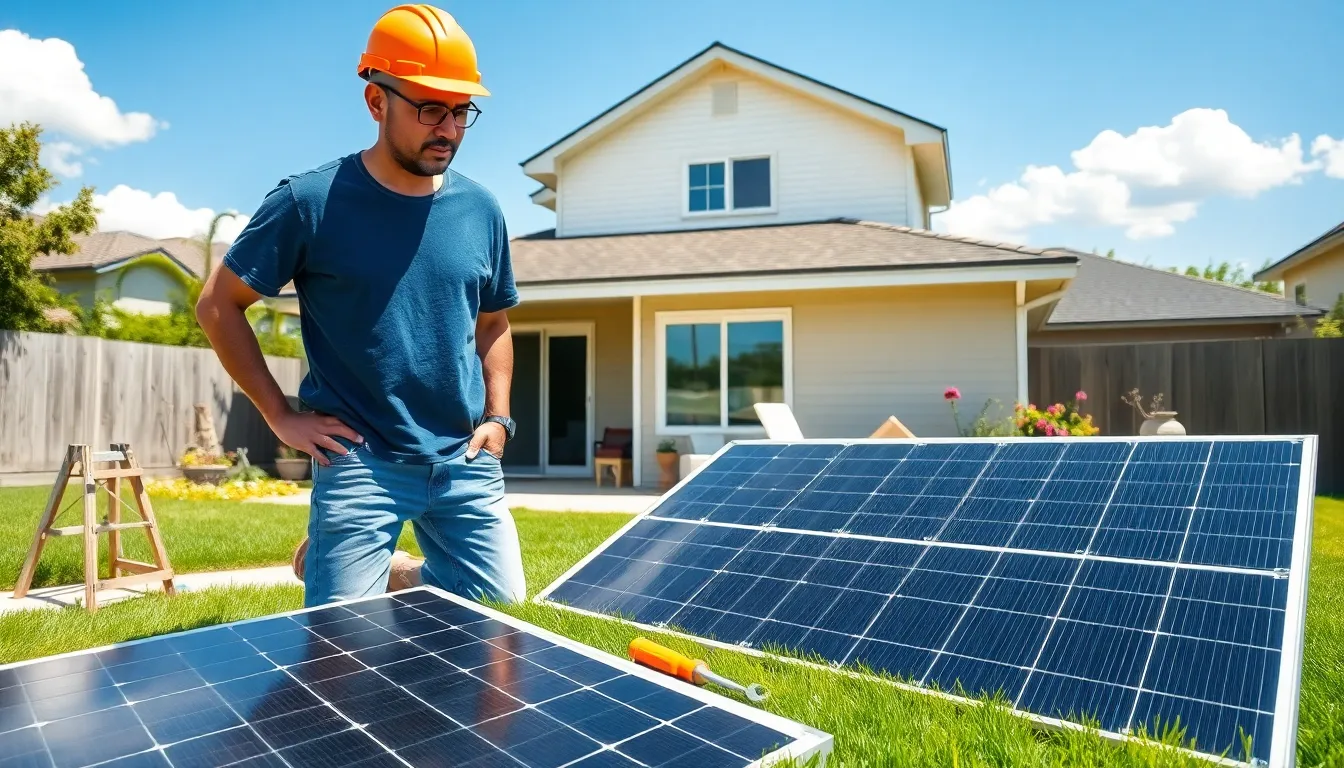
DIY solar energy solutions empower homeowners to harness the sun’s power by creating their own solar energy systems. These systems can reduce energy bills, increase property value, and promote eco-friendly practices. By employing simple designs and readily available materials, individuals can significantly cut down on expenses associated with professional installations. In essence, a DIY solar project can not only bring significant savings but also foster a deeper understanding of energy production and consumption.
The growing accessibility of solar panels, batteries, and inverter systems has made it easier than ever for individuals to embark on DIY solar projects. Many resources are available online, including instructional videos and detailed guides, which can help creators bring their solar energy vision to life. But, before diving into a project, it’s essential to understand the basic components of a solar energy system, solar panels convert sunlight into electricity, while inverters change this electricity from direct current (DC) to alternating current (AC) so it can be used in homes.
Benefits of Solar Energy at Home
The benefits of solar energy for residential properties extend beyond just financial savings. Here are some compelling advantages that homeowners can enjoy by switching to solar energy:
- Cost Savings: The most immediate benefit is a reduction in electricity bills. Homeowners can save significantly, especially in states with high energy costs. Also, many governments offer tax credits and incentives to encourage solar adoption.
- Energy Independence: By generating their own electricity, homeowners can become less reliant on the grid, which can help during power outages or peak demand times.
- Environmental Impact: Solar energy is a clean and renewable resource, greatly reducing the carbon footprint associated with traditional energy sources. By going solar, homeowners contribute to environmental sustainability and help combat climate change.
- Increased Home Value: Homes equipped with solar energy systems often have a higher market value. Potential buyers are increasingly looking for homes that offer energy efficiency and lower utility costs.
- Low Maintenance: Once installed, solar panels require minimal maintenance, mainly consisting of periodic cleaning and inspections.
Exploring the Pangolin Design Concept
The Solar Pangolin is a creative and functional approach to integrating solar energy into everyday life. Inspired by the pangolin’s unique features, such as its protective plates, this concept emphasizes building a solar energy system that blends seamlessly with the environment while maximizing functionality. Here’s a breakdown of how to create your own Solar Pangolin.
Steps to Create Your Own Solar Pangolin
Starting a DIY Solar Pangolin project involves several stages. Begin by designing a blueprint that outlines the sizes and positions of solar panels. Consider the solar panel’s directional exposure for optimal sunlight capture.
Choosing the Right Solar Equipment
Selecting suitable solar equipment is vital for the project’s success. Homeowners need to invest in quality solar panels, batteries for energy storage, and an efficient inverter. Many brands now offer packages specifically tailored for DIY enthusiasts. Consider equipment that comes with warranties and is highly rated for efficiency.
Building and Integrating the Solar Pangolin
Once the design is ready and equipment is sourced, it’s time to construct the Solar Pangolin. This involves building a framework that can securely hold the solar panels, mimicking the pangolin’s protective structure. Follow installation instructions meticulously and ensure everything is connected safely.
Maintenance and Sustainability Considerations
Maintaining a DIY solar system, such as the Solar Pangolin, is essential to ensure it operates efficiently over time. Here are a few maintenance tips:
- Regular Cleaning: Dust and debris can accumulate on solar panels, hindering their efficiency. Clean them every few months with mild soap and water to maintain optimal performance.
- Routine Inspections: Periodically check the wiring, mounting structures, and connections for any signs of damage or wear. Catching issues early can prevent more significant problems down the line.
- Battery Care: If your system includes batteries, monitor them for swelling or leakage and replace them once they reach their end-of-life stage.
Sustainability in your DIY solar project doesn’t just come from using renewable energy sources: it also involves considering the sustainability of components during installation. Choose local suppliers whenever possible to reduce transportation emissions and invest in durable, long-lasting materials that can withstand the elements.
Case Studies of Successful DIY Projects
Several inspiring case studies showcase the successful implementation of DIY solar projects, particularly those related to the Solar Pangolin concept.
- Tom’s Backyard Solar Pangolin: Tom built a Solar Pangolin in his backyard, combining aesthetics with functionality. The smart design not only reduced his energy bills by 50% but also became a talking point in the neighborhood.
- Sarah’s Community Workshop: Sarah organized a community workshop, teaching others how to build their own Solar Pangolins. This initiative fostered a community spirit while also educating people about renewable energy.
- The Urban Rooftop Project: A group of friends transformed a dilapidated rooftop into a vibrant solar energy hub by implementing multiple Solar Pangolins. The project showcased how limited space can still harness solar power effectively.
Conclusion
To conclude, the HomeRocket Realty DIY Solar Pangolin represents an innovative approach to renewable energy solutions. By understanding how to carry out solar technology at home, individuals can enjoy an array of benefits, including cost savings, energy independence, and a contribution to environmental sustainability. The DIY solar energy movement is paving the way for a greener future, and with creative solutions like the Solar Pangolin, anyone can participate in this movement. The steps involved in construction and maintenance not only enhance knowledge about solar energy but also encourage greater community engagement. So, embarking on a DIY solar project not only benefits the individual but also has the potential to inspire future generations.